
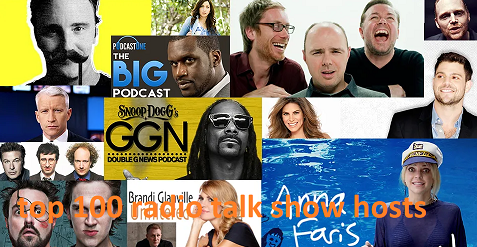
Radio has always been more than just sound—it’s been a platform for ideas, debates, storytelling, and connection. When we talk about the top 100 radio talk show hosts, we’re really talking about personalities who have shaped public opinion, built loyal audiences, and mastered the art of speaking directly to millions. From political heavyweights to entertainment-driven voices, these hosts have turned microphones into powerful tools of influence.
In this article, we’ll explore what defines the best radio talk show hosts, highlight some of the most iconic names, and understand why radio continues to thrive in a digital-first world.
What Makes a Radio Talk Show Host Stand Out?
A great radio host isn’t just someone who talks—they are someone who connects. The best in the business understand their audience deeply and know how to keep them engaged, whether through storytelling, humor, or sharp analysis. They can turn even the simplest topics into compelling discussions that listeners don’t want to miss.
Consistency is another key factor. Top hosts show up daily with energy, fresh perspectives, and a clear voice. Over time, this builds trust. Audiences begin to rely on them not just for entertainment, but also for insight and companionship. This relationship is what separates average hosts from the elite.
Finally, adaptability plays a major role. Radio has evolved into podcasts, streaming, and social media integrations. Hosts who stay relevant are those who embrace change while maintaining their authentic style. That balance is what keeps them in the “top 100” conversation.
Legendary Names in Radio Talk Shows
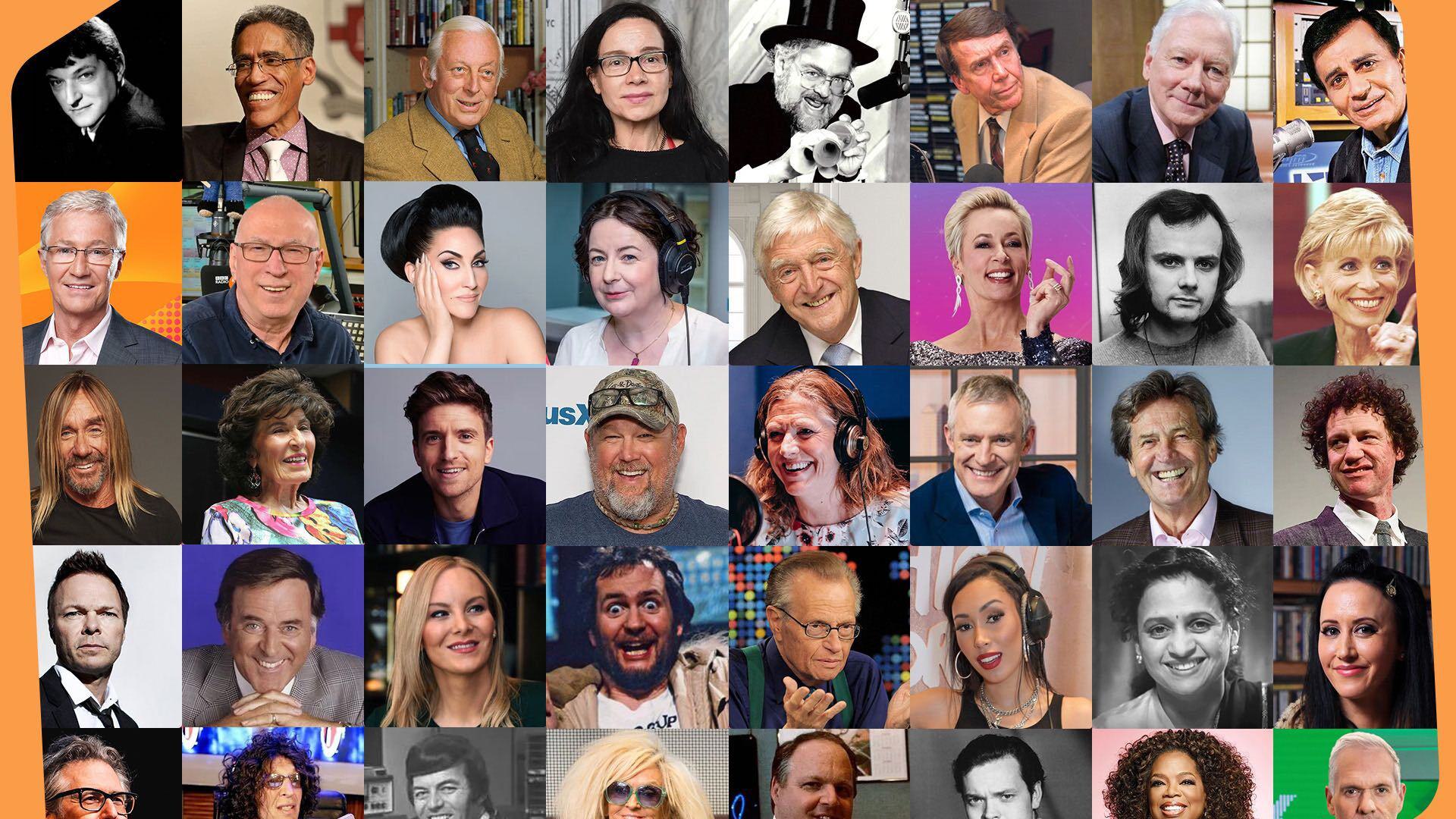
Any discussion about top Top 100 Radio Talk Show Hosts must include icons like Howard Stern. Known as the “King of All Media,” Stern revolutionized radio with his bold, unfiltered style. His ability to blend controversy with genuine interviews set a new standard for talk shows.
Another influential figure is Rush Limbaugh, whose political commentary dominated airwaves for decades. Love him or hate him, Limbaugh’s impact on talk radio and political discourse is undeniable. He built one of the largest audiences in radio history.
Then there’s Oprah Winfrey, who began her journey in radio before becoming a global media powerhouse. Her interviewing style—empathetic, curious, and deeply human—remains a benchmark for hosts across all platforms.
Modern Voices Leading the Industry
Today’s top 100 radio talk show hosts are just as influential, though their reach often extends beyond traditional radio. Personalities like Joe Rogan have blurred the lines between radio and podcasting. His long-form conversations have redefined how audiences consume talk content.
Another strong voice is Charlamagne tha God, known for his candid interviews and cultural commentary. His work demonstrates how radio can remain relevant by addressing modern social issues with honesty and boldness.
Meanwhile, hosts like Ryan Seacrest continue to dominate mainstream entertainment radio. Seacrest’s polished style and mass appeal show that consistency and professionalism still hold immense value in the industry.
Categories Within the Top 100 Radio Talk Show Hosts
Not all radio hosts fit into one mold. The top 100 list usually spans several categories, each with its own unique appeal. Political talk show hosts, for instance, focus on current events and analysis, often building highly engaged and opinionated audiences.
Entertainment and lifestyle hosts take a different approach. They prioritize fun, celebrity interviews, and lighthearted discussions. These shows are perfect for listeners looking to relax and stay updated on pop culture trends.
There are also niche hosts who focus on specific topics such as sports, business, or health. Their expertise allows them to build loyal audiences who trust their knowledge. This diversity is what makes the radio landscape so rich and dynamic.
How Radio Talk Shows Have Evolved
Radio is no longer confined to AM/FM frequencies. The rise of digital platforms has transformed how people listen. Today, most top hosts distribute their content through podcasts, YouTube, and streaming apps, making their shows accessible anytime, anywhere.
This evolution has also changed content style. Traditional time limits are no longer a constraint, allowing for deeper conversations and more creative freedom. Hosts can explore topics in detail, which often leads to more meaningful discussions.
Despite these changes, the core essence of radio remains the same: a voice connecting with an audience. Whether live or recorded, that personal connection continues to drive the success of top talk show hosts.
Why These Hosts Matter More Than Ever
In an age of information overload, trusted voices are incredibly valuable. The top 100 radio talk show hosts help audiences navigate complex topics, offering perspectives that can inform, challenge, or entertain.
They also create communities. Listeners often feel like they’re part of a shared experience, especially when hosts engage directly through calls, messages, or social media. This sense of belonging is something few other media formats can replicate.
Moreover, these hosts influence culture and conversation. From politics to entertainment, their words can spark debates, shift opinions, and even shape trends. That level of impact is what keeps radio relevant in today’s fast-paced world.
Final Thoughts on the Top 100 Radio Talk Show Hosts
The idea of the “top 100 radio talk show hosts” goes beyond a simple list—it represents decades of talent, evolution, and influence. From pioneers like Howard Stern to modern voices like Joe Rogan, these individuals have redefined what it means to communicate with an audience.
Radio continues to adapt, but its heart remains unchanged: authentic voices speaking to real people. As long as there are stories to tell and conversations to have, radio talk show hosts will continue to hold a powerful place in media.
If you’re exploring this space—whether as a listener or aspiring host—there’s never been a better time to tune in and learn from the best.